Search
SEARCH WHAT YOU WANT
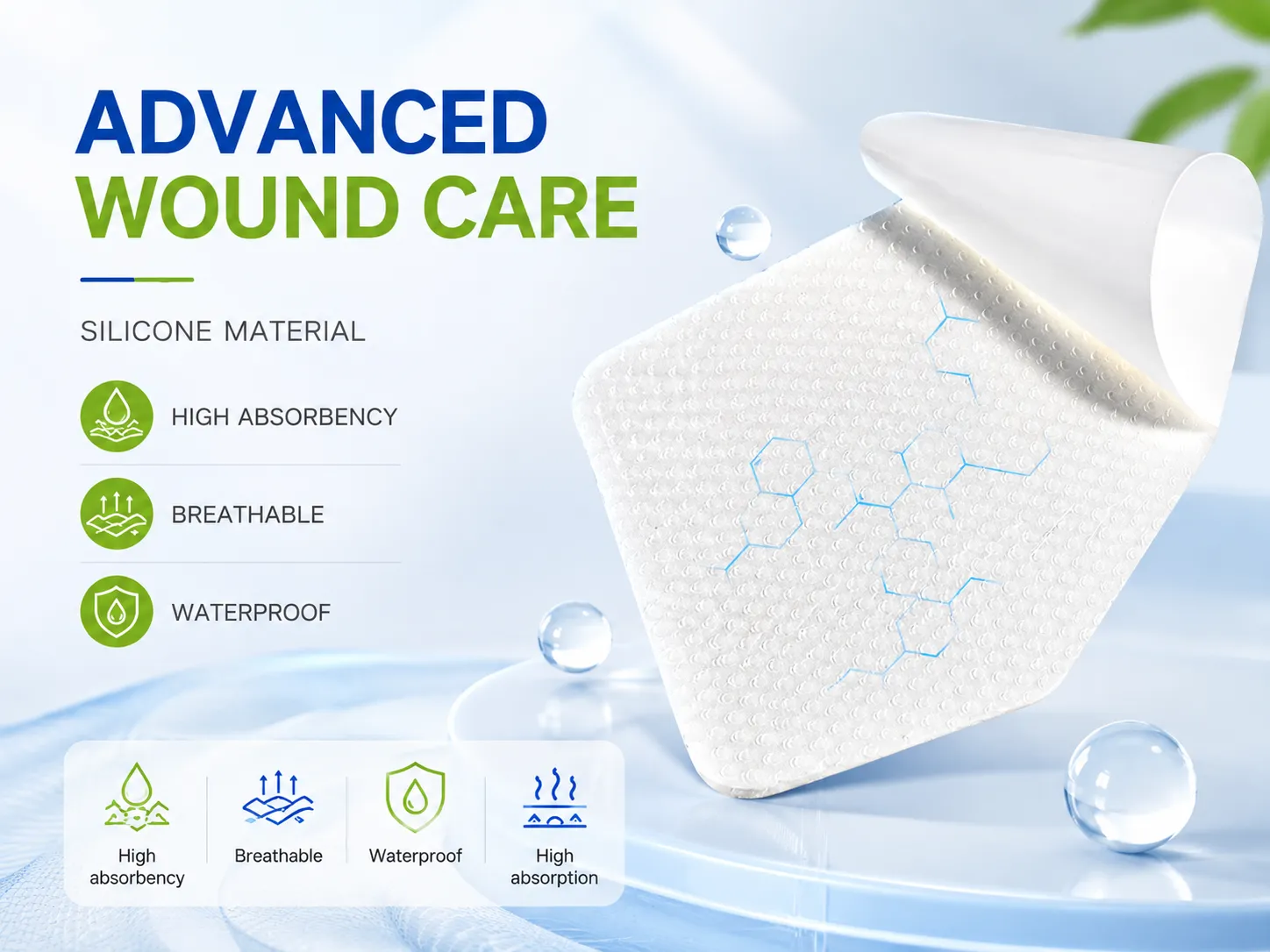
Polyurethane foam dressing is an important segment of the advanced wound care market. With excellent exudate absorption, breathability, softness, and patient comfort, polyurethane-based foam dressings are widely used for acute and chronic wound management.
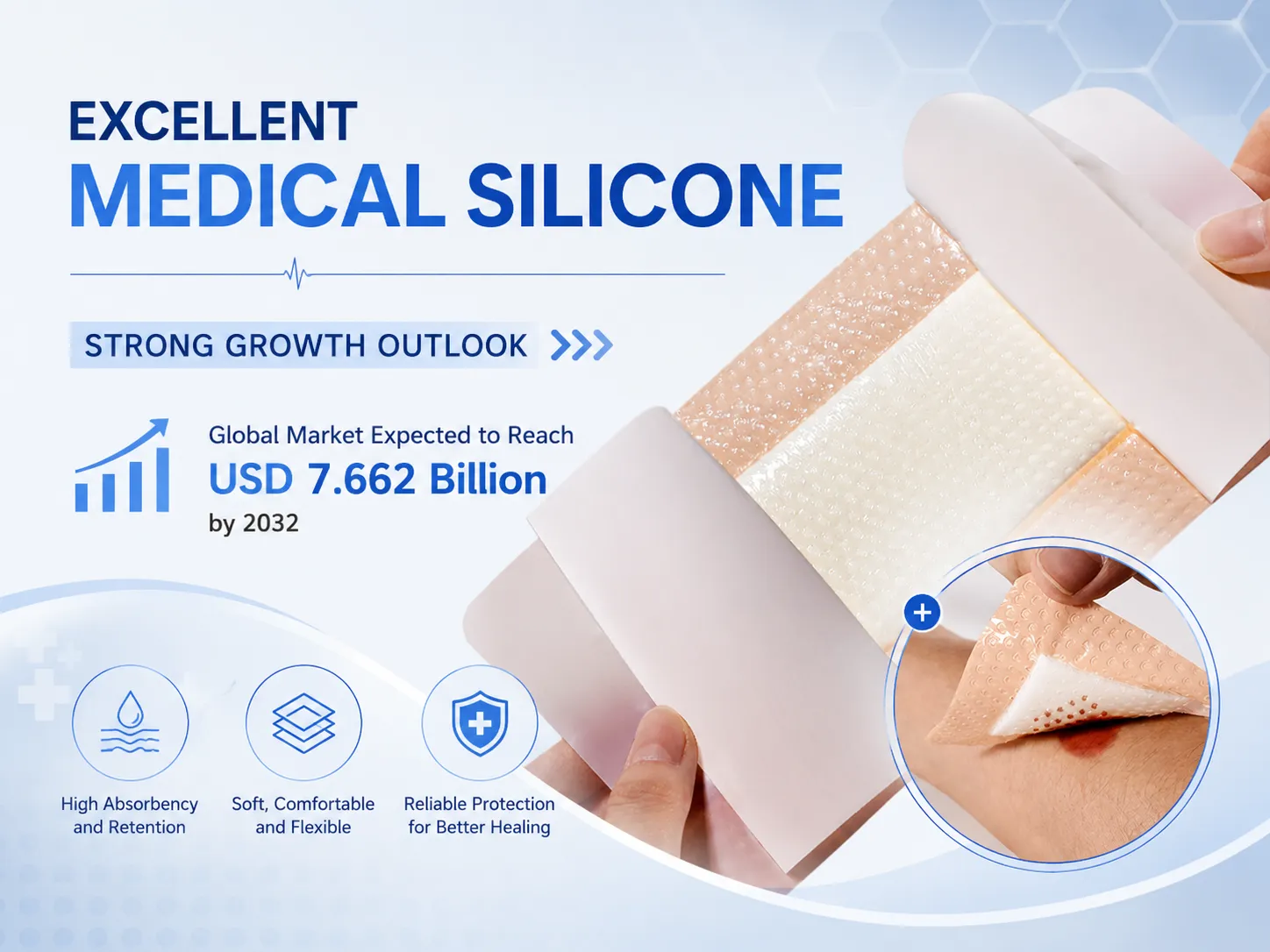
Globally, market research organizations continue to forecast steady growth in the foam dressing market. According to reports from GII and Fortune Business Insights, the global foam dressing market is expected to maintain a positive growth trend over the coming years.
China is an important market in the Asia-Pacific region. With an aging population, increasing prevalence of chronic diseases, and growing awareness of professional wound care, demand for advanced wound dressing products in China continues to expand.
Several factors are supporting the development of the polyurethane foam dressing market.
The increasing number of patients with chronic wounds, particularly those associated with diabetes, is creating long-term demand for advanced wound care products. Foam dressings can help manage wound exudate while protecting the wound environment.
As the elderly population continues to grow, healthcare providers are paying greater attention to pressure injuries, skin tears, and other wounds associated with fragile skin. This is increasing demand for gentle and comfortable products such as soft silicone foam dressing.
Foam dressing technology is developing from conventional absorbent products toward more advanced structures and materials. Medical PU foam is increasingly used as an absorbent layer because of its softness, flexibility, and fluid management capabilities.
At the same time, silicone technology is becoming increasingly important in advanced wound care. Products such as Silicone Foam Dressing with Border can combine effective absorption with gentle skin contact, while Silicone Foam Dressing without Border provides greater flexibility for applications requiring separate fixation.
As medical dressing standards continue to develop, manufacturers are placing greater emphasis on product quality, manufacturing consistency, material traceability, and regulatory compliance. This trend is expected to encourage the development of higher-quality advanced wound care products and create a more standardized market environment.
The global foam dressing market includes major international healthcare companies such as Smith & Nephew, Mölnlycke Health Care, Coloplast, 3M, and ConvaTec. Meanwhile, Chinese medical dressing manufacturers are increasing investment in product development and expanding their product portfolios.
For medical brands, distributors, and healthcare product companies, working with an experienced PU Foam Dressing Material Manufacturer can provide greater flexibility in product development, material selection, and OEM customization.
The foam dressing market is becoming increasingly diversified. Traditional Normal Foam Dressing products continue to be used for general wound care, while self-adhesive and silicone-based products are gaining attention for specialized applications.
Self-Adhesive Foam Dressing products provide convenient fixation and can simplify dressing changes. For applications requiring water resistance and secure adhesion, a Waterproof Self-Adhesive Dressing can provide additional protection against external moisture.
Silicone foam products are also developing toward different sizes and configurations. For example, silicone foam dressing 6x6 is one of the commonly searched size-specific product terms, while bordered and non-bordered designs can be selected according to different wound locations and fixation requirements.
Looking ahead, the polyurethane foam dressing industry is expected to focus on several areas of development.
Product functionality is moving toward more integrated wound care solutions, including improved exudate management, antimicrobial technologies, and other advanced features. Material innovation is also continuing, with new polyurethane foam structures and composite materials being explored.
Another emerging direction is the integration of digital technologies with wound care. Smart wound monitoring and data-based healthcare solutions may create new opportunities for advanced dressing products in the future.
At the same time, the development of domestic medical manufacturing capabilities is creating new opportunities for Chinese manufacturers in the global advanced wound care market.
The Chinese polyurethane foam dressing market is supported by growing demand for chronic wound care, population aging, medical technology development, and increasing demand for high-quality wound care products.
From medical PU foam and traditional Normal Foam Dressing to Self-Adhesive Foam Dressing, soft silicone foam dressing, and Silicone Foam Dressing with Border, the market is becoming more specialized and diversified.
For international medical brands and distributors, partnering with a professional PU Foam Dressing Material Manufacturer can provide access to customized materials, OEM production, and different foam dressing solutions for global wound care markets.
Polyurethane foam dressing is mainly used for wounds with moderate to heavy exudate. Its absorbent foam structure helps manage wound fluid while providing cushioning and protection.
Silicone Foam Dressing with Border provides integrated fixation around the wound area, while Silicone Foam Dressing without Border can be used with additional fixation methods when greater flexibility is required.
Yes. Professional manufacturers can provide customized sizes, thicknesses, adhesive systems, silicone layers, packaging, and private-label solutions. Buyers can work directly with a PU Foam Dressing Material Manufacturer for OEM and customized foam dressing development.
Polyurethane foam dressing is an important segment of the advanced wound care market. With excellent exudate absorption, breathability, softness, and patient comfort, polyurethane-based foam dressings are widely used for acute and chronic wound management.
Globally, market research organizations continue to forecast steady growth in the foam dressing market. According to reports from GII and Fortune Business Insights, the global foam dressing market is expected to maintain a positive growth trend over the coming years.
China is an important market in the Asia-Pacific region. With an aging population, increasing prevalence of chronic diseases, and growing awareness of professional wound care, demand for advanced wound dressing products in China continues to expand.
Several factors are supporting the development of the polyurethane foam dressing market.
The increasing number of patients with chronic wounds, particularly those associated with diabetes, is creating long-term demand for advanced wound care products. Foam dressings can help manage wound exudate while protecting the wound environment.
As the elderly population continues to grow, healthcare providers are paying greater attention to pressure injuries, skin tears, and other wounds associated with fragile skin. This is increasing demand for gentle and comfortable products such as soft silicone foam dressing.
Foam dressing technology is developing from conventional absorbent products toward more advanced structures and materials. Medical PU foam is increasingly used as an absorbent layer because of its softness, flexibility, and fluid management capabilities.
At the same time, silicone technology is becoming increasingly important in advanced wound care. Products such as Silicone Foam Dressing with Border can combine effective absorption with gentle skin contact, while Silicone Foam Dressing without Border provides greater flexibility for applications requiring separate fixation.
As medical dressing standards continue to develop, manufacturers are placing greater emphasis on product quality, manufacturing consistency, material traceability, and regulatory compliance. This trend is expected to encourage the development of higher-quality advanced wound care products and create a more standardized market environment.
The global foam dressing market includes major international healthcare companies such as Smith & Nephew, Mölnlycke Health Care, Coloplast, 3M, and ConvaTec. Meanwhile, Chinese medical dressing manufacturers are increasing investment in product development and expanding their product portfolios.
For medical brands, distributors, and healthcare product companies, working with an experienced PU Foam Dressing Material Manufacturer can provide greater flexibility in product development, material selection, and OEM customization.
The foam dressing market is becoming increasingly diversified. Traditional Normal Foam Dressing products continue to be used for general wound care, while self-adhesive and silicone-based products are gaining attention for specialized applications.
Self-Adhesive Foam Dressing products provide convenient fixation and can simplify dressing changes. For applications requiring water resistance and secure adhesion, a Waterproof Self-Adhesive Dressing can provide additional protection against external moisture.
Silicone foam products are also developing toward different sizes and configurations. For example, silicone foam dressing 6x6 is one of the commonly searched size-specific product terms, while bordered and non-bordered designs can be selected according to different wound locations and fixation requirements.
Looking ahead, the polyurethane foam dressing industry is expected to focus on several areas of development.
Product functionality is moving toward more integrated wound care solutions, including improved exudate management, antimicrobial technologies, and other advanced features. Material innovation is also continuing, with new polyurethane foam structures and composite materials being explored.
Another emerging direction is the integration of digital technologies with wound care. Smart wound monitoring and data-based healthcare solutions may create new opportunities for advanced dressing products in the future.
At the same time, the development of domestic medical manufacturing capabilities is creating new opportunities for Chinese manufacturers in the global advanced wound care market.
The Chinese polyurethane foam dressing market is supported by growing demand for chronic wound care, population aging, medical technology development, and increasing demand for high-quality wound care products.
From medical PU foam and traditional Normal Foam Dressing to Self-Adhesive Foam Dressing, soft silicone foam dressing, and Silicone Foam Dressing with Border, the market is becoming more specialized and diversified.
For international medical brands and distributors, partnering with a professional PU Foam Dressing Material Manufacturer can provide access to customized materials, OEM production, and different foam dressing solutions for global wound care markets.
Polyurethane foam dressing is mainly used for wounds with moderate to heavy exudate. Its absorbent foam structure helps manage wound fluid while providing cushioning and protection.
Silicone Foam Dressing with Border provides integrated fixation around the wound area, while Silicone Foam Dressing without Border can be used with additional fixation methods when greater flexibility is required.
Yes. Professional manufacturers can provide customized sizes, thicknesses, adhesive systems, silicone layers, packaging, and private-label solutions. Buyers can work directly with a PU Foam Dressing Material Manufacturer for OEM and customized foam dressing development.
Search
Category
Recent Posts